
Somewhere in your town, a person just posted: "Who do you use for car insurance? Mine went up again." Fourteen people replied with their premium. Nobody replied with a phone number. Here is the short version of lead generation for insurance agents: answer posts like that one, ask every client for a referral, and buy leads only once you know your numbers.
I have been building businesses since 2019, and I am not an insurance agent. But in every business I ran, the hardest part was the first customers without burning money on ads. The best ones were often people asking for help in public. I built Hodorak to find those requests every day.
Lead generation for insurance agents: own leads beat bought ones
For most agents, especially new and independent ones, your own leads are cheaper and warmer than bought ones. A person who asked for help, or who was sent by a friend, already wants to talk. A bought lead filled in a form and then got four phone calls in an hour.
The agents agree on the best way to generate insurance leads. In the 2026 National Broker Survey by Canadian Underwriter, 71% of the 169 brokers said asking existing customers for referrals is the best way to get new sales leads. That was up from 64% a year before.
Networking came second at 58%. Only 25% said an active social media presence helps.
That last number is the interesting one. Posting about your agency is one thing. Answering someone who asked for an agent is another, and almost nobody counts it.
People ask in public more often than most agents think. We have not measured insurance yet, but in one 72-hour window in mid-October 2026 we read 2,018 posts for one local trade and found 101 real requests, as our HVAC company leads page shows.
Rule of thumb: build the free sources first, then use paid leads to fill the gaps. The insurance industry sells a lot of leads to agents, and the people selling them write most of the advice you will find on Google. Keep that in mind when a guide ends with "book a demo".
What bought insurance leads really cost
Bought leads are not a scam, but they are not cheap, and most are shared. Here is what one lead technology company lists on its insurance lead cost page, as of September 2026.
| Lead type | Price per lead (Sept 2026) | Who else gets it |
|---|---|---|
| Shared web lead | $10 to $45 | several agents |
| Exclusive web lead | $45 to $120 | only you |
| Live transfer | $80 to $200 or more | only you, on the phone now |
| Aged lead | $0.50 to $15 | many agents, weeks ago |
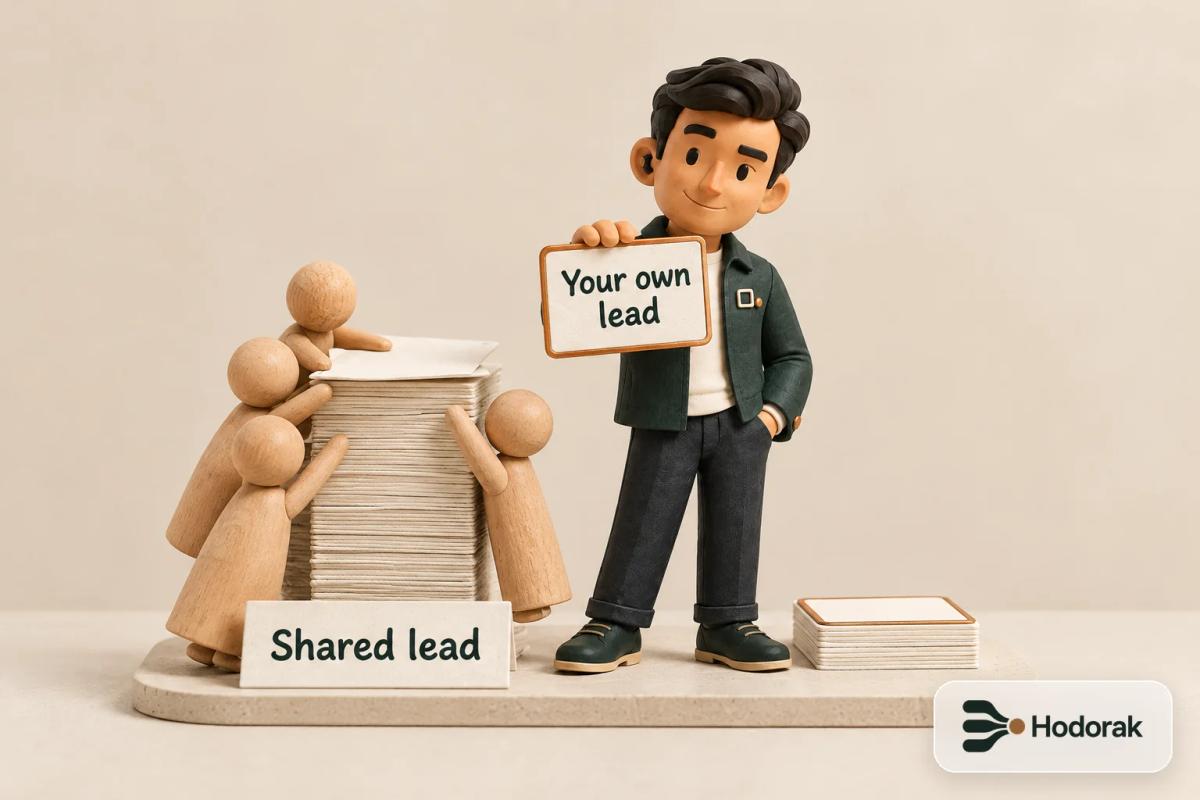
A shared lead means a race. The fastest dialer usually wins, and the person on the other end starts to regret the form. An aged lead is a quote request that is already more than 30 days old, so many of those people bought a policy already.
Honestly, aged leads have one good use: practice. They are cheap enough to rehearse your opening line on, and nobody is surprised when the call goes nowhere.
Exclusive leads and live transfers can work for P&C leads or auto insurance lead generation. The same goes for internet insurance leads from quote sites. But track the cost per sold policy, not the cost per lead, and treat every lead as a cost until it becomes a policy.
How to get insurance leads from people asking in public
People ask their neighbours before they ask Google. They do it in town Facebook groups, in city subreddits, in parents' groups and on Nextdoor (a neighbourhood app you can read by hand). The words are plain, and they rarely say "insurance leads".
These are illustrative examples of how those posts usually sound, not quotes from real people:
- "Who do you use for car insurance around here? Mine just went up again."
- "Can anyone recommend an insurance agent who actually picks up the phone?"
- "Just bought our first house. Do we need a local agent or is online fine?"
- "Starting a small bakery. What business insurance do I need?"
Each one is a person with a renewal, a new house or a new business. That is a real lead, in real time, and no vendor sold it to four other agents. This is the part of lead generation for insurance agents that the lead sellers never write about, for obvious reasons.

The hard part is seeing these posts. Local groups move fast, and a question from Tuesday morning is buried by Tuesday night. You can search inside each group for "insurance", "agent" and "quote", newest first.
Or you can let Facebook group monitoring read the groups you choose and send you only the posts where someone asks for help. Most posts are noise. A few are gold.
Referrals and partners still send the best policies
Referrals are the top source of new business for a reason: trust comes with them. If you want to know how to get insurance clients who stay for years, this is it. The trick is to ask on purpose, not hope.
Ask at the moments when a client is happy: right after a claim goes well, at a renewal where you saved them money, or when they add a car. Keep the ask short: "If a friend asks who handles your insurance, I would love it if you gave them my number."
Then build partner referrals. 49% of the brokers in the same survey said they ask peer professionals, like accountants or lawyers, for referrals. Good partners for an agent:
- Realtors and mortgage brokers, for home insurance at closing.
- Car dealers, for auto policies on the day of the sale.
- Accountants and bookkeepers, for commercial insurance leads from new small businesses.
- Lawyers who set up companies or handle estates.
Bookkeepers face the same problem you do, and they also find clients by answering small business owners who ask. Send them work, and they tend to send work back.

Your Google profile and reviews catch the local searches
When someone searches "insurance agent near me", Google shows local profiles before most websites. Your Google Business Profile is free, and it is the closest thing to a shop window most agents have.
Three things matter most:
- Complete details. Your real name, address and phone number, the same everywhere online. The lines you sell, your hours, a real photo.
- Reviews. Google's own help page on getting more reviews says you can ask customers to visit a review link or scan a QR code. Put that link in your thank-you email after every new policy.
- Replies. Answer every review, the bad ones too. The next reader cares more about your reply than the complaint.
This is the slowest channel here. It is also the one that keeps working while you sleep, which the phone calls do not.
How to answer a request without breaking the rules
Answer with help, not a pitch. A reply that answers the question gets a private message. A reply that says "DM me for a quote" gets scrolled past.
Most of those threads are full of people selling. When we read real estate groups for 72 hours at the start of October 2026, about 9 in 10 Facebook search results were agents promoting themselves. Insurance threads look the same. Be the one person who answers.
Three rules keep you safe:
- Read the group rules. Each group's admins write their own, and many ban self-promotion or allow it only on one day.
- No quote in public. Prices depend on details you should only collect privately.
- Know your state rules. Insurance advertising and contact rules differ by state, and calling or texting people who did not ask you has strict rules of its own.
A weekly lead routine for one agent
Lead generation is boring when it works. If you want to know how to generate insurance leads every week, the answer is a habit, not a campaign. One short block every morning beats a big push once a month.
- Every morning: check your groups and alerts for new requests, and reply to the fresh ones first.
- Every afternoon: follow up with anyone who messaged you, and send the review link to new clients.
- Once a week: ask two happy clients for a referral, and send one partner a useful note.
- Once a month: look at where your new policies came from, and drop what did not work.
If reading groups by hand takes too long, start with free tools. Our list of free social listening tools shows what each one gives you for $0, and where they stop.
Honestly, Hodorak is the wrong tool for some agents. If you work only through employer benefits, tenders or a captive call center that feeds you leads, the people you need are not posting in public groups.
Frequently asked questions
How do insurance agents get leads without buying them?
Insurance agents get leads without buying them through client referrals, partners like realtors and accountants, reviews on their Google profile, and answering people who ask for an agent in public. Facebook groups and city subreddits carry these requests every week. You can watch Reddit for requests instead of reading every thread yourself.
Where can I find free insurance leads for agents?
The best free insurance leads for agents are your own: past clients, referrals, and people asking for help in local groups. Ask happy clients for one name, search groups for "insurance" and "agent" newest first, and keep your Google profile complete. These leads cost time, not money, and they are not shared with other agents.
How to find insurance clients as a new agent?
To find insurance clients as a new agent, start with people who already trust you: friends, family and former colleagues. Then ask each new client for a referral, join two or three local groups, and set up your Google profile. Buy a small batch of aged leads only to practise your calls.
How much should you pay for lead generation?
Pay only what one sold policy can carry. As of September 2026, one vendor lists shared web leads at $10 to $45 and exclusive ones at $45 to $120. Track how many leads you need for one sale, multiply by the price, and compare that cost with what the policy earns you.
What is the biggest mistake in lead generation?
The biggest mistake is a slow reply. A shared lead goes to several agents, and a public request gets many answers within hours. If you reply the next day, someone else already has the conversation. Speed matters more than a perfect script, so check your sources every morning and reply first.
Start with the leads that are already asking
This week, ask two clients for a referral, finish your Google profile, and read the newest posts in three local groups. That is lead generation for insurance agents at its cheapest, and it compounds. When you want the requests sent to you, start tracking leads and reply yourself, in your own words.
Worst case, you learn that everyone in your town thinks their premium is too high. You knew that already. Now you know where they say it.